Capacity
Small rooms may only need compact units, while laundry drying, open-plan spaces and persistent damp usually need larger extraction capacity.
UK home moisture help
A dehumidifier can reduce moisture that encourages mould, but it does not remove existing mould or fix leaks by itself.
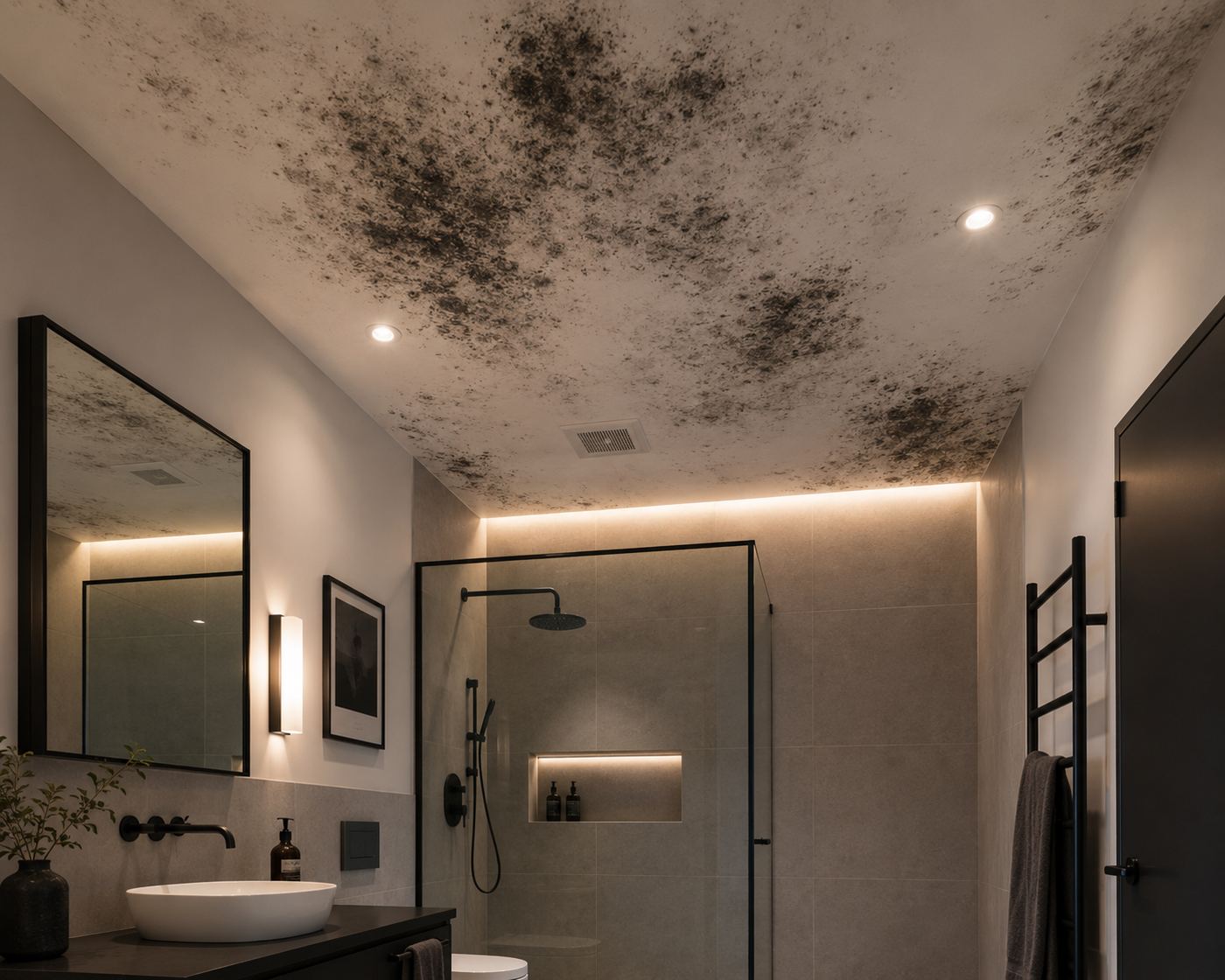
Photo guide
A dehumidifier can reduce airborne moisture, but visible mould also needs safe cleaning and the cause addressed.
Start with the room and the symptom. Is the problem mainly morning condensation, a musty smell, visible mould, slow laundry drying, or damp marks that suggest water ingress? The right product depends on the cause.
For ordinary condensation and high humidity, measuring the room with a hygrometer is a useful first step. For staining, leaks, crumbling plaster or tide marks, investigate the building issue rather than only buying a dehumidifier.
Small rooms may only need compact units, while laundry drying, open-plan spaces and persistent damp usually need larger extraction capacity.
Bedrooms and offices need quieter operation. Garages and utility areas can usually tolerate more noise if extraction performance is better.
Check wattage and likely hours of use. Use our running cost calculator before assuming a bigger unit is too expensive to run.
Start with the problem you are actually trying to solve. A dehumidifier for drying laundry every day has different priorities from a quiet unit for a bedroom or a machine for a colder garage. Think about the room temperature, how often moisture is created, whether you can drain continuously, and how easily you can empty the tank.
Do not buy only from the headline litres-per-day number. That figure is usually measured in favourable test conditions, and real UK homes are often cooler. Also check noise level, physical size, tank capacity, auto-restart, humidity target, laundry mode and warranty support.
If there are leaks, overflowing gutters, failed seals, damp patches after rain, tide marks, crumbling plaster or a persistent wet wall, investigate the source of water first. A dehumidifier can reduce airborne moisture, but it cannot repair building defects. For suspected structural damp, get appropriate professional advice before spending heavily on appliances.
For many homes, the best setup is a dehumidifier plus a cheap digital hygrometer, consistent ventilation habits and careful furniture placement away from cold external walls. Mould remover can clean existing staining, but moisture control is what helps stop it returning.
If the problem appears mainly after sleeping, showering, cooking or drying laundry, it is often condensation-related and can usually be improved with humidity monitoring, ventilation habits and the right size dehumidifier. If the problem gets worse after rain, appears as localised staining, or stays wet even when the room is ventilated and heated, treat it as a possible repair issue first.
Compare current products, reviews and availability. We do not display live prices because those change frequently.
Use the dehumidifier size calculator and running cost calculator before choosing a model.